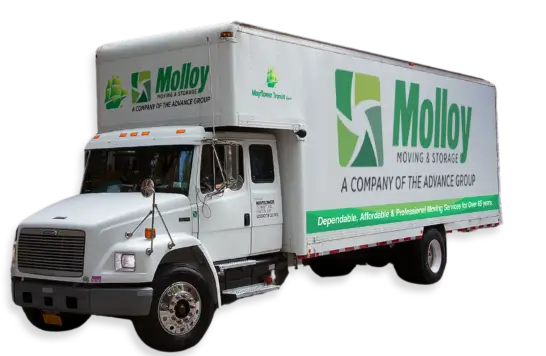


Moving day prep usually means boxes, paper wrap, and a very long to-do list. But there are a few practical questions most moving customers have: How will you pay your movers? What if the job runs long—or wraps up early? And what coverage do you actually have if something gets damaged? A little clarity on these three things can save real confusion when the truck pulls up.
How Payment Works with Your Moving Company
Most professional moving companies, including our team at Molloy Moving, accept major credit cards, cash, certified checks, and money orders. Some may offer payment plans for larger moves—it’s worth asking when you book.
One thing that catches some customers off guard: payment is generally due before the truck is unloaded at your destination. This is standard in the industry, so it’s a good idea to have your payment method ready in advance. If you’re paying by check, make sure it’s certified. Personal checks are usually not accepted on moving day itself.
What If the Move Takes More or Less Time Than Expected?
Local moves are billed by the hour, based on crew size and number of trucks. The estimate you receive is based on the mover’s experience with similar jobs, but the actual time can vary in either direction.
Here’s the part worth knowing: if your move wraps up faster than expected, you only pay for the time used. Most companies prorate to the nearest 15 minutes after the minimum hourly requirement is met so that a short overage won’t round up to a full extra hour. On the other hand, if something unexpected comes up—a difficult parking situation, a tight stairwell, or items not included in the original estimate—it can take a little longer.
The best way to keep things moving on pace is to be ready when the crew arrives. Clear pathways, labeled boxes, and no last-minute packing surprises make a real difference. Our team has been helping families across Long Island, NYC, and New Jersey since 1945, and we’ve seen firsthand how an organized home can shave meaningful time off a move.
Understanding Your Coverage During the Move
This one is easy to overlook, but it’s worth a few minutes before moving day to understand why the valuation matters. By law, moving companies must offer basic liability coverage—typically $0.60 per pound per article. To put that in perspective: if a 30-pound television is damaged, the maximum payout under basic coverage would be $18. That may not go far toward replacing it.
If you have valuable items—electronics, antiques, artwork, or anything with significant sentimental or monetary value—it’s worth exploring additional options. Full-value protection, often available through your moving company, covers repair or replacement at today’s market value. You may also want to check with your homeowners or renters insurance provider before the move. Some policies extend coverage to belongings in transit, which could fill the gap without a separate purchase.
A quick call to your insurance agent before moving day is a small step that can give you real confidence going in.
Move with Confidence
Understanding how payment, timing, and coverage work takes the guesswork out of hiring a moving company. When you know what to expect, the whole day runs more smoothly. Our team at Molloy Moving is happy to walk you through the details before you book—reach out today to get started with a free quote.